Chamomile Tea Before Bed: What It Actually Does (and the Routine That Makes It Work)
No miracle claims, no "sleep hack" nonsense — just what a warm cup of chamomile genuinely does at night, and the thirty-minute routine that turns it into a habit your brain craves.
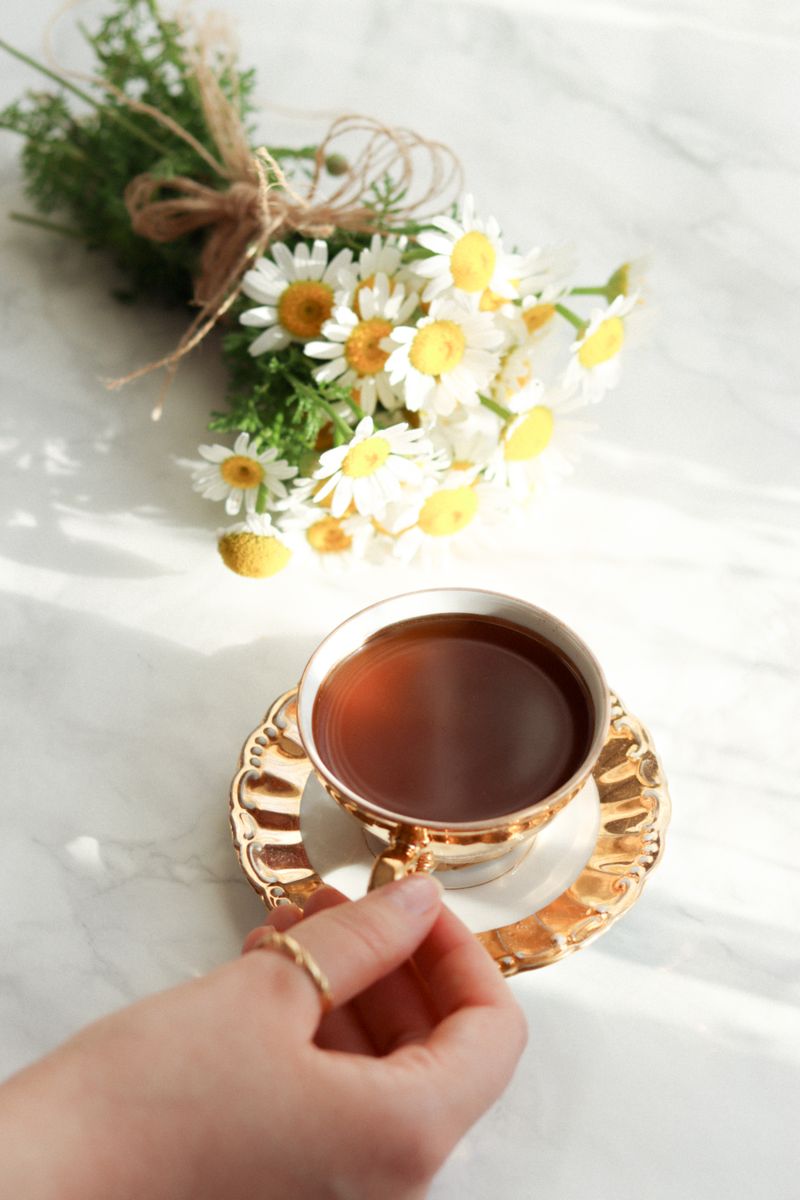
Here's the thing nobody writes on the box: chamomile tea is not a sleeping pill. If you gulp a mug at 11:58pm and expect to be unconscious by midnight, you'll be disappointed — and then you'll go around telling people chamomile "doesn't work," and the whole thing becomes a small, sad injustice to a very good flower.
But here's the other thing, the more interesting thing: people have been drinking chamomile tea before bed for centuries across basically every culture that has access to it, and they're not all wrong. What chamomile actually does is subtler than a sedative and, we'd argue, more useful — if you use it right. That's what this guide is for.
What chamomile actually does (the honest version)
Chamomile is a gentle herbal tea with a long, long history as an evening drink. In terms of what's in the cup: chamomile flowers carry compounds that have been studied for their calming properties — most research attention has gone to a flavonoid called apigenin, which some studies suggest may bind to the same brain receptors involved in relaxation. The science is genuinely promising but early, and it's nowhere near the level of "this tea will knock you out."
What we can say from experience — and what our own evenings keep confirming — is threefold:
- It's a ritual anchor. A warm, caffeine-free cup at the same time each night is one of the clearest "the day is over now" signals you can send a busy brain. Behavioral scientists call this kind of cue a wind-down trigger; your grandmother called it having a cup of tea. Both are right.
- The warmth itself does half the work. A warm drink raises your core temperature slightly, and the cooling afterward is associated with the body's natural pre-sleep wind-down. Any warm, caffeine-free tea does this — chamomile just happens to taste like an apple orchard in a good mood.
- It gives your hands something to do that isn't a phone. Honestly underrated. The ten minutes a mug makes you sit still might be the most functional part of the whole ritual.
The tea isn't the sedative. The tea is the excuse to sit down. The sitting down is the sedative.
The thirty-minute routine that makes it work
If chamomile's real power is the ritual, then the ritual deserves some design. Here's the version we've landed on after far too many evenings of testing — it takes half an hour, and the tea is the anchor:
- Minutes 0–10: kitchen time. Put the kettle on and wait by it — not with your phone, actually wait. Warm water, cup out, kettle off just before the boil. Steep your chamomile covered, 3 to 4 minutes. The waiting is part of it; treat it like a tiny coffee break from your own evening.
- Minutes 10–20: somewhere soft. Couch, reading chair, the good corner of the bed. Something paper, or nothing at all. The mug keeps your hands busy while your shoulders remember they can go lower.
- Minutes 20–30: lights and warmth. Dim the lights around you, finish the last of the cup while it's still warm, and let the routine end at roughly the same time every night. Consistency is the whole game — within a couple of weeks, the mug alone starts the downshift.
Our two evening blends, honestly compared
If you're choosing between our two bedtime-leaning blends, here's the honest guide:
Chamomile Cloud is the classic — soft, floral, apple-sweet with a whisper of vanilla. Choose it if your wind-down brain wants quiet: reading, journaling, staring contentedly at a wall. It's the flavor of "nothing else is happening tonight, and that's fine."
Chamomile Cloud
Soft, floral, apple-sweet. The classic nightly wind-down. Caffeine-free.
$14.00 ≈ $0.35/cup
Cocoa Slumber is the same job in a different coat — cacao and chamomile with a breath of mint, for the nights you want the wind-down to feel like a treat instead of a discipline. Choose it when the sweet tooth shows up at 9pm and needs a diplomatic solution.
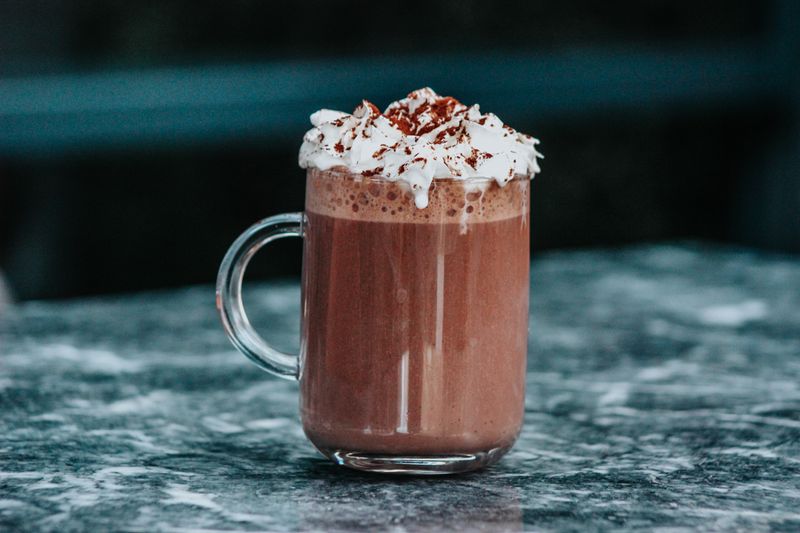
Cocoa Slumber
Cacao, chamomile, a touch of mint. Chocolate-warm diplomacy for sweet tooths. Caffeine-free.
$16.00 ≈ $0.40/cup
The questions people actually ask
Does chamomile tea have caffeine? None. Chamomile is a flower, not a tea plant — every chamomile blend, including Chamomile Cloud, is naturally caffeine-free. It will not keep you up, which is rather the point.
How long before bed should I drink it? Give it thirty minutes to work its ritual magic, so the cup starts about half an hour before lights-out. The warm-drink effect peaks while the cup is in your hands, not after.
Can I drink it every night? Yes — chamomile is one of the most commonly consumed herbal teas in the world and is generally regarded as a gentle nightly drink. If you take medications or have allergies in the daisy family, check with your doctor or pharmacist, the same as with any herb.
Sweetener? A small spoon of honey is the traditional pairing, and this is one tradition we endorse fully. Honey mostly dissolves into the ritual; skip the sugar if the evening is the point.
That's the whole secret, really. A flower, some warm water, and thirty protected minutes. The chamomile is just the part that makes the thirty minutes taste like something. 🌼